
Some homes just hit different when you walk in. The living room sort of runs out into the garden, and that line between inside and out? More of a hint than a wall. It’s not luck. Homes like that don’t only look good. They change how you feel while you’re standing in them.
We’ve been designing and building outdoor structures for years now at Smart Shade Structures. And the question we hear most has nothing to do with timber grades or measurements. People want to know one thing: “Why does this feel so good?” The answer goes deeper than looks.
How Open, Flowing Spaces Reduce Stress and Increase a Sense of Freedom
Your brain reacts to space whether you ask it to or not. Tight, boxed-in rooms keep you a little on edge. Some quiet part of you is counting the exits. Open, connected spaces do the opposite. Room to breathe. Nothing crowding in. Soften that hard divide between indoors and out, and your shoulders tend to drop right along with it.
Look at the luxury homes that actually hold up over the years, and you’ll notice one thing they share. They flow. Sliding glass walls. Covered outdoor rooms. Flooring that carries straight through from one space to the next, no threshold to trip over. None of it is decoration for its own sake – it shapes how the whole place feels to live in.
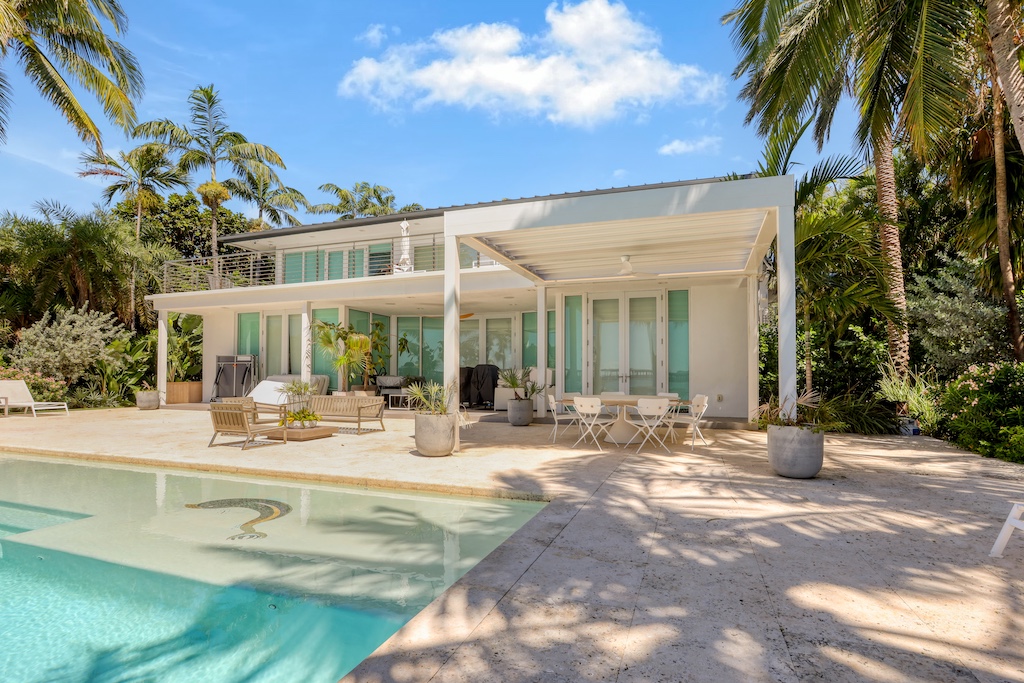
The Role of Natural Light and Expansive Views in Elevating Mood and Well-Being
Natural light pulls more weight than most people give it credit for. Daylight helps set your body clock, nudges your serotonin up, and takes the edge off that 3pm slump. No lamp, however clever, quite manages the same trick. Homes built to draw in daylight aren’t just brighter. They’re better to spend your days in.
Then add a view worth looking at. A planted garden. A pool. Trees moving around in the wind. The research keeps landing in the same spot: a natural view lowers your cortisol and gives your mind somewhere to rest. So when we design a covered outdoor area, we’re not just bolting on extra square footage. We’re handing you more room to feel well.
Outdoor Luxury as an Expression of Personal Identity and Social Status
Outdoor spaces have always said something about the people who own them. A well-built terrace, a pool lifted straight from a resort, a pergola over the dinner table – they hint at what someone cares about and how they’d rather spend an evening. That part’s nothing new.
How Social Sharing Has Intensified Demand for Architecturally Significant Outdoor Spaces
What’s new is how far the pictures travel now. Outdoor spaces have become some of the most photographed corners of any high-end home. A louvered pergola dropping crisp bars of shade across stone. A deck reaching out over a valley. Images like these move fast, and they quietly reshape what people decide they want.
Call it shallow if you want. It still drives real decisions. When someone puts money into a serious outdoor structure, they’re usually after something pretty human – a place that reflects who they are, and maybe who they’d like to be seen as.
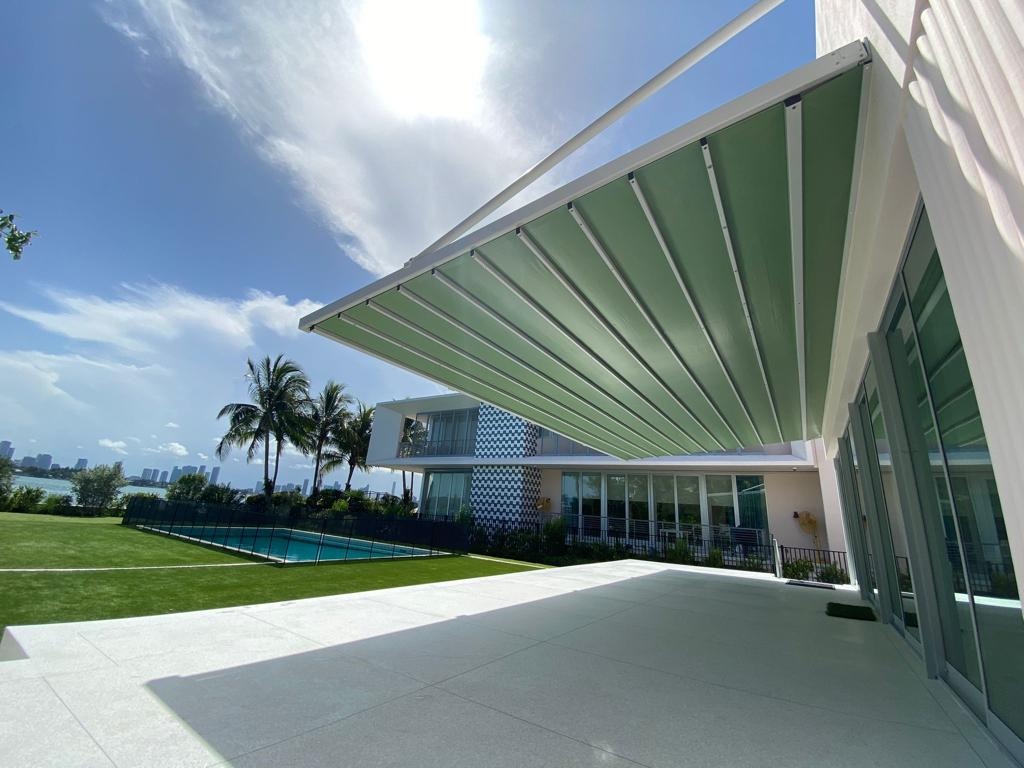
The Design Elements That Define Truly Luxurious Outdoor Spaces
Not every outdoor space earns the word “luxurious.” The ones that do share a few traits. They draw you in. They hold your attention. And they pay you back for the hours you spend out there.
Water Features, Shade Structures, and the Psychology of Intimate Grandeur
Water is about as dependable a tool as you’ll find. It covers background noise, slows your breathing, drags your focus into the present. Formal fountain or a stream that looks like it’s always been there – doesn’t much matter. Water lends a space a living quality that stone and timber can’t fake on their own.
Planting solves a harder puzzle: how to feel grand and intimate at once. Layering does it. Tall plants wrap you in. Ground-level texture hands you the small details you catch up close. And in between sit structures like retractable and louvered pergolas.
Our louvered pergolas have become central to how we work. A wind-resistant adjustable louver pergola system has adjustable roof slats – so a quick turn lets you dial in the light, the airflow, how much weather gets through. Suddenly an open patch is a real room. One that bends to the day instead of fighting it. That’s the gap between a structure that photographs well and one you’ll actually use.
Material and Lighting Choices That Signal Permanence and Craftsmanship
Materials tell you how long a thing is meant to last. Natural stone, powder-coated aluminum, aged timber. These don’t just read as premium. They wear beautifully, and wearing well is its own quiet statement. Cheap materials give themselves away eventually. The good stuff only gathers character.
Lighting finishes the job. Layer it – ambient, task, accent – and your space stays useful long after dark, with a mood no photo really carries. You have to stand in it.
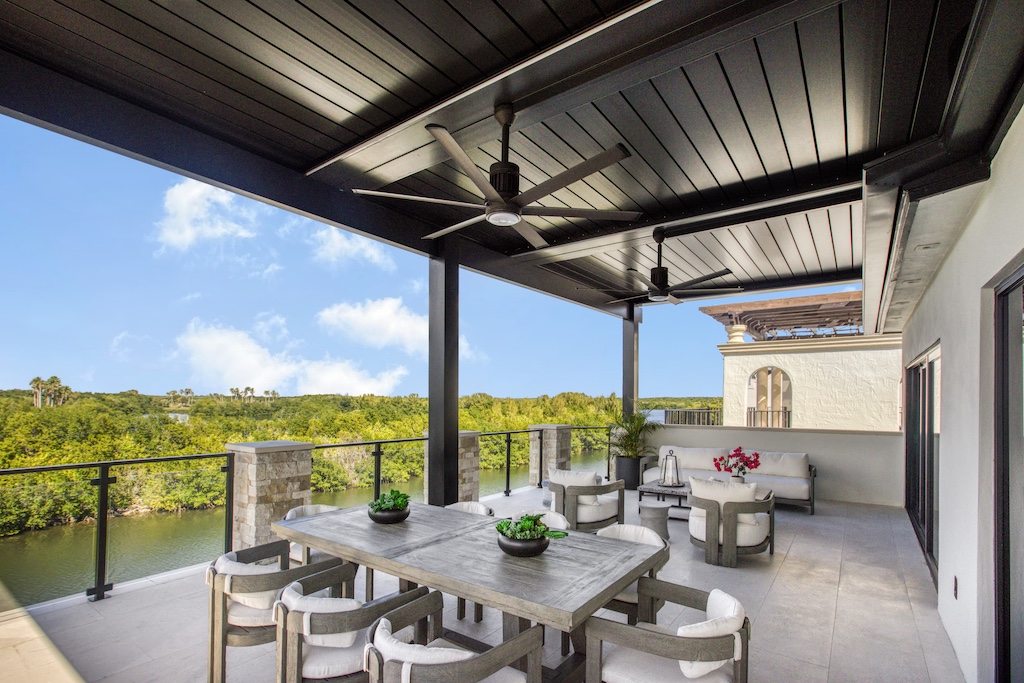
The Spaces We Build Are Designed to Be Lived In
Blurring the line between indoors and out isn’t a passing fashion. It answers something basic about how we want home to feel. We build these structures because the edge between shelter and nature should be a threshold you cross, not a wall you stop at. And crossing it, day after day, ought to feel like a small luxury.
Frequently Asked Questions
What Makes A Louvered Pergola Different From A Standard Pergola?
A louvered pergola has adjustable roof slats you can open or close to manage sunlight, airflow, and rain. A standard fixed-roof pergola can’t. Because you can adapt a louvered system as the light and weather shift through the day, it works far better as a room you’ll use all year.
How Do Outdoor Structures Add To A Home’s Resale Value?
Outdoor living spaces reliably rank among the higher-return home improvements. Covered structures built from durable, premium materials add usable square footage, and buyers respond to that directly. The quality of your outdoor space often shapes a first impression as much as anything indoors.
What Should I Consider When Choosing Materials For A Luxury Outdoor Structure?
Focus on two things: durability, and how well the materials suit the house. Pick finishes that match your existing architecture and stand up to your local climate. Powder-coated aluminum lasts a long time with little upkeep, while natural stone and hardwood bring warmth and texture. As a rule, go for materials that age gracefully rather than ones you’ll be replacing before long.