
A good pergola can turn a plain patio into the spot where everyone wants to sit. But shade is the part people underestimate. Picking a style you like is the easy bit. The harder work is thinking through sun angles, the structure itself, and which shade solution actually suits your climate.
We’ve spent years helping homeowners and businesses build outdoor spaces that look good and earn their keep at Smart Shade Structures. When it comes to designing a pergola for shade, here’s how we approach it for proper coverage!
Why a Pergola Is One of the Best Shade Structures for Outdoor Living
Pergolas do something solid patio covers can’t. They let air move through while still cutting the glare, so you get shade without that boxed-in feeling. Done well, a pergola creates its own little microclimate, softening harsh light instead of sealing the space off from it.
That word “well” is carrying a lot of weight, though. A pergola that’s poorly placed or loosely built will have you squinting at four in the afternoon. This is exactly why the design work starts long before anyone digs a posthole.
Mapping Sun Exposure Before Any Design Decisions Are Made
Before we suggest a single structure, we watch how the sun crosses the space over the course of a day. Take a west-facing pergola: it’ll soak up the late afternoon sun, which tends to be the hottest and least pleasant stretch for sitting outside.
Seasons matter here too. The sun rides low in winter and high in summer, and that changes where the shadows land across your patio. If you’re after reliable shade in Miami, where the sun stays strong nearly year-round, this kind of planning pays off. Once we understand those patterns, we can position the pergola so that the shade shows up when and where you’ll actually use it.
How Roof Slat Angle and Spacing Control the Amount of Shade
With orientation sorted, the slats become the thing to get right. Tighter spacing at a steeper angle blocks more direct sun, which suits spaces that need dependable midday cover. Wider gaps give you that dappled, filtered light instead, lovely for a garden where a bit of brightness is welcome.
We usually aim for a slat pitch around 45 degrees as a balanced starting point, though your latitude and the structure’s orientation can nudge that figure. Good pergola design plans account for this from the outset. It’s a small detail, but it’s often what separates a clean professional result from a hopeful DIY guess.
Bioclimatic Pergolas and Retractable Awnings: The Best Solutions for Adjustable Shade
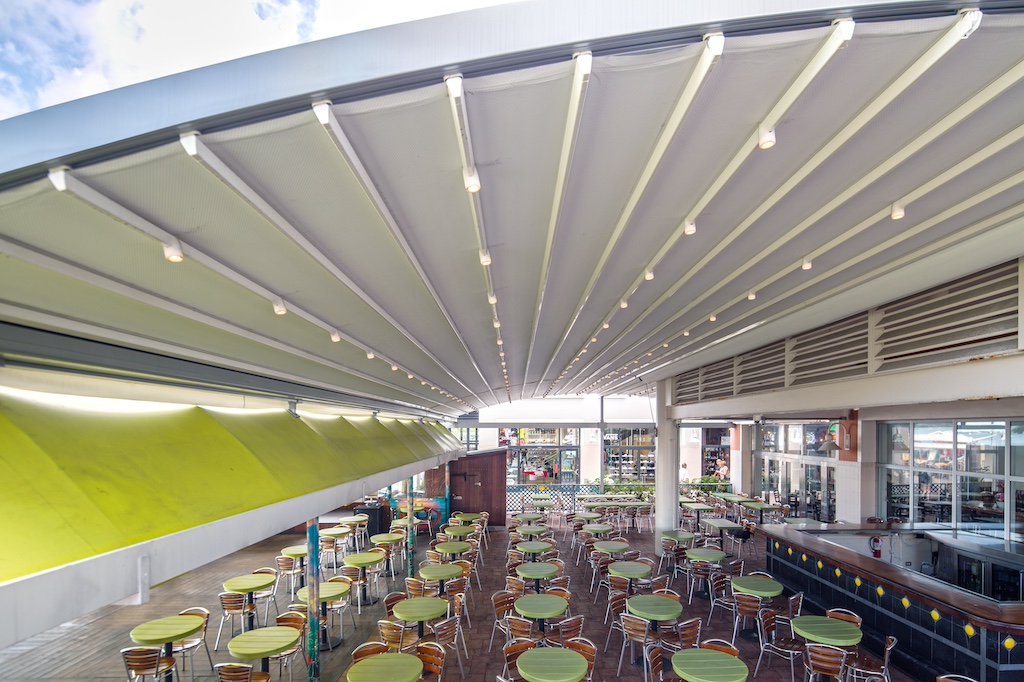
If you want real control over how much shade you get, bioclimatic pergolas are our first recommendation. They have motorized louvered roofs that adjust on their own, or by remote, responding to sun, rain, and wind. Cool morning? Open the louvers and let the warmth in. Blazing afternoon? Close them up and shut the sun out entirely.
Retractable awnings give you similar flexibility for less money. They fix to the pergola frame and slide out or pull back whenever you need them. The newer UV-resistant fabrics block a serious chunk of solar radiation, and you’ll notice the difference in temperature underneath.
Choosing Between Fixed and Adjustable Shade Systems Based on Your Needs
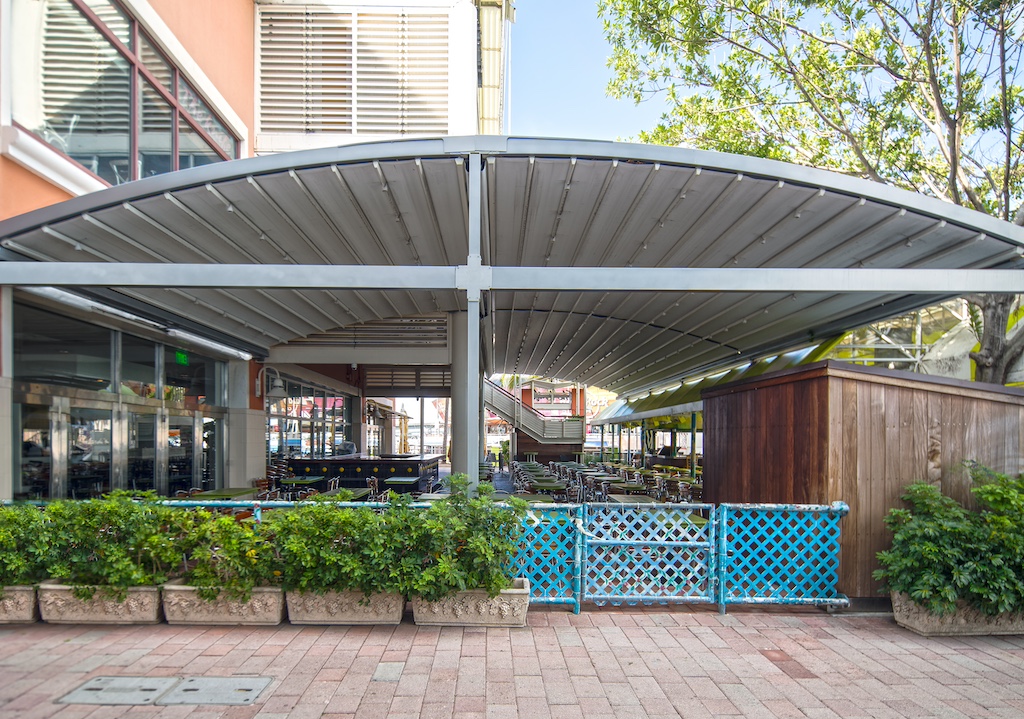
Fixed designs make sense if you’d rather skip the upkeep, and you already know how much shade you need. Adjustable systems win when the space gets used at different times and seasons, or when you’re dealing with weather that refuses to behave.
We always talk both options through before settling anything. The right call comes down to how you’ll use the space, your local climate, and what you’re comfortable spending.
Using Climbing Plants and Retractable Canopies to Enhance Natural Shade
Not every shade fix needs a motor. Climbing plants such as wisteria, grapevines, and star jasmine can be trained across the roof to form a thick, living canopy. Give a vine a few growing seasons, and it’ll throw real shade while adding texture and a bit of scent to the space.
The catch is patience and pruning. Plants need seasonal tending and won’t cover you evenly all year. So for clients who love the natural look but want shade from day one, you might pair the two: a retractable canopy handles the immediate cover while the greenery fills in. Some of our favorite pergola designs for shade lean on exactly this combination.
Designing a Pergola That Works as Hard as It Looks Good
A pergola built with shade in mind does more than sit there looking nice. It stretches how many hours of the day, and how many months of the year, you can comfortably use your outdoor space. We weigh looks and performance together on every project, so the finished structure genuinely changes how you live and work outside.
Planning a pergola and want a hand getting the shade right from the start? We’d be glad to help at Smart Shade Structures!