
Hurricane season has a way of sneaking up on people. Every year, homeowners in storm-prone areas rush to get ready, and a good number of them leave it far too late. When a storm finally rolls through, the homes that come out okay usually belong to people who did the work early. A little preparation now buys you a lot of peace of mind later.
So we’ve pulled together five practical tips to help you get your home ready. They cover everything from your yard to your evacuation plan.
Why It Pays to Prepare Early
Boarding up windows the night before a storm is no fun. It’s rushed, it’s pricey, and you almost always miss something. Preparing ahead changes the whole experience. You get time to spot weak points, choose decent solutions instead of whatever’s left on the shelf, and actually walk through your plan before you need it. The aim is straightforward: lower your risk before the season starts, not while the wind’s already picking up.
Tip 1: Lock Down Your Yard
Loose stuff outside causes more trouble than people expect. Patio chairs, garden ornaments, potted plants, the kids’ toys – once winds top 100 mph, any of these can turn into a flying hazard. Take a slow walk around your property and note anything that isn’t bolted down or tucked away.
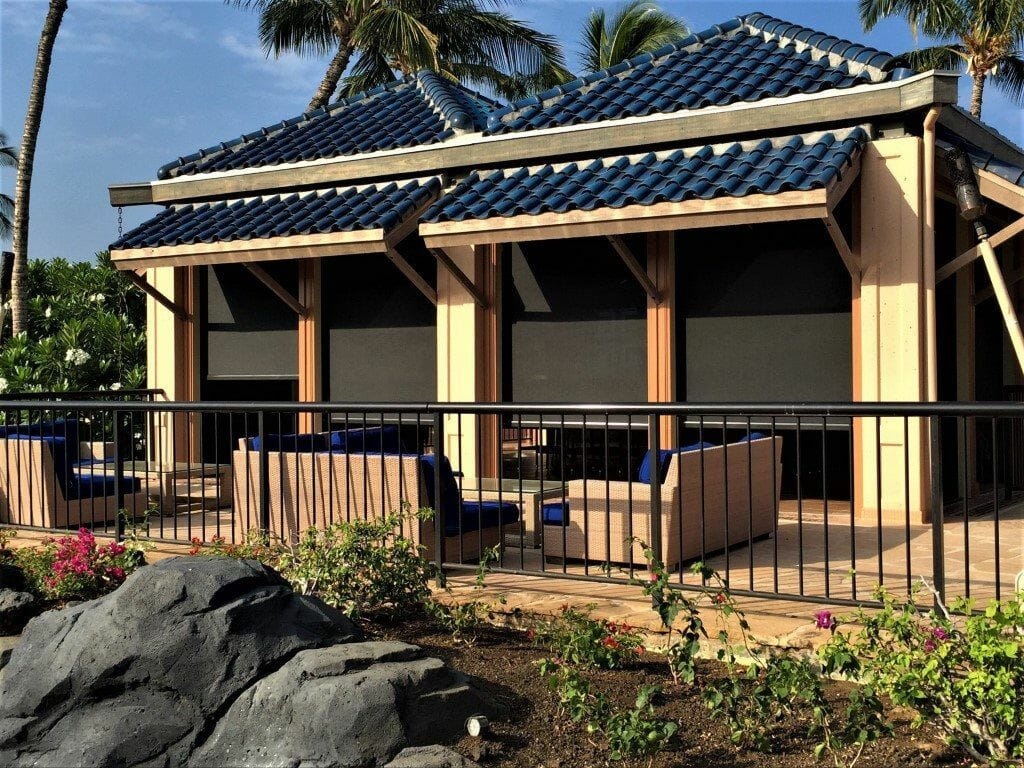
Your pergola and awning deserve a closer look too. A flimsy structure can tear loose and damage your home, or worse, your neighbor’s. A well-built and engineering system from Smart Shade Structures, made with solid materials and proper anchoring, holds up far better and protects what’s underneath it. We’d suggest having yours professionally inspected before the season kicks off, just to confirm every fixing and connection is doing its job.
Tip 2: Fit Hurricane Screens
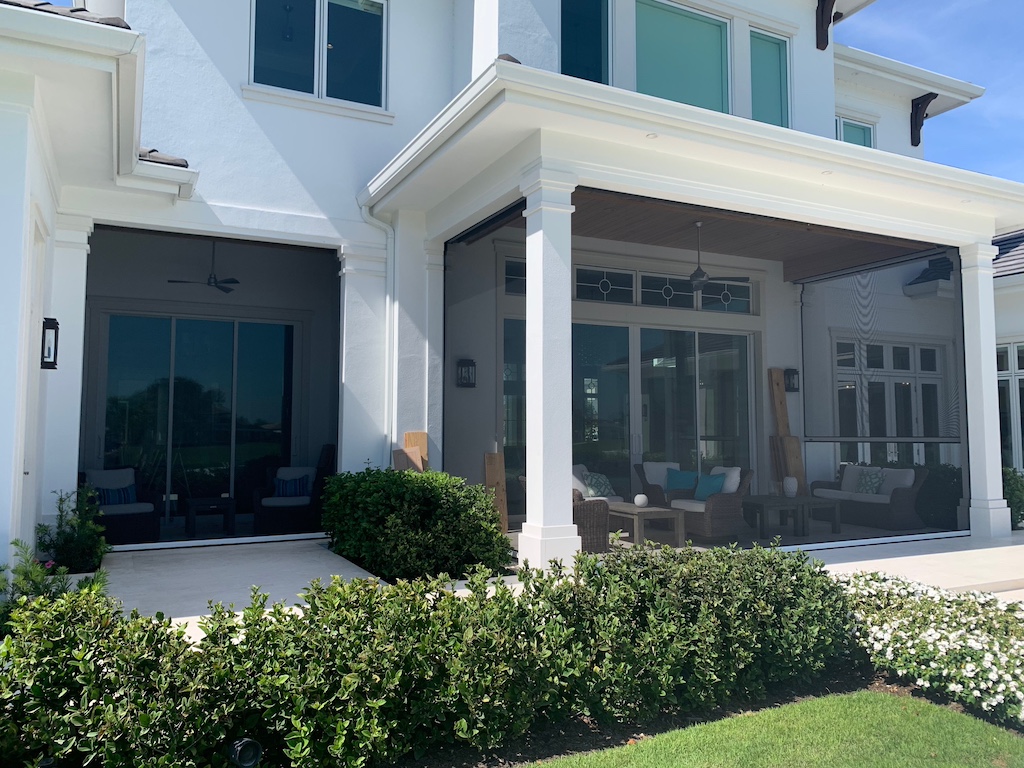
Plywood is the old standby, and there’s a reason people are moving away from it. It takes ages to put up, it turns your house into a cave, and the protection it offers is hit or miss.
Hurricane screens do the job better. They’re built to take the hit from flying debris and ride out sustained high winds, all without blocking your view. Most deploy in minutes, and you can have them pre-fitted to your windows and doors so that there’s no frantic last-minute effort. Plenty of modern screens even let daylight through, which makes waiting out a storm feel a little less like being locked in a box. If you live somewhere high-risk, this is money well spent.
Tip 3: Shore Up Your Roof and Entry Points
Your roof takes the brunt of a storm, which also makes it one of the easiest places for things to go wrong. Loose or aging shingles peel away in strong winds, and once water gets in, the damage adds up fast. Book a qualified roofer before each season to find and fix the weak spots.
Garage doors are worth extra attention. They fail more often than most homeowners realize. Under heavy wind pressure, an unbraced door can buckle and give the storm a way straight into your house. A bracing kit costs little and works well. While you’re at it, check your other entry points too – exterior doors, sliding doors, skylights – and seal or reinforce anything that needs it.
Tip 4: Build a 72-Hour Emergency Kit
After a hurricane, emergency services are often swamped, and help can be slow to arrive. That’s why we recommend a kit that keeps your household going for at least three days on its own.
Pack the essentials:
- One gallon of water per person, per day
- Non-perishable food
- A well-stocked first-aid kit
- Flashlights and spare batteries
- A battery or hand-crank radio
- Copies of important documents in a waterproof container
Throw in any medications, phone chargers, and some cash in small bills. Keep the kit somewhere you can grab it quickly, and check it once a year to swap out anything that’s expired.
Tip 5: Make a Family Plan, Then Practice It
A plan written on paper and never discussed isn’t really a plan. Everyone in the house should know what to do the moment a warning goes out – kids included. Sit down together and sort out your main and backup evacuation routes, pick a shelter or somewhere clear of the storm’s path, and agree on a meeting spot in case you get separated.
Then run through it. Do a practice round before the season starts so it feels familiar. And tell someone outside the area what your plan is, so a trusted friend or relative knows where you’re headed.
Get a Head Start This Season
Preparing for hurricanes takes effort, but it’s the kind that pays off. Lock down your yard, fit hurricane screens, reinforce the weak points, stock your kit, and rehearse your evacuation plan – five steps that genuinely lower your risk.
If your outdoor structures could use an upgrade before the weather turns, we’d be glad to help. Our team builds pergolas, awnings, and screening solutions made to hold up when it counts. Get in touch whenever you’re ready!